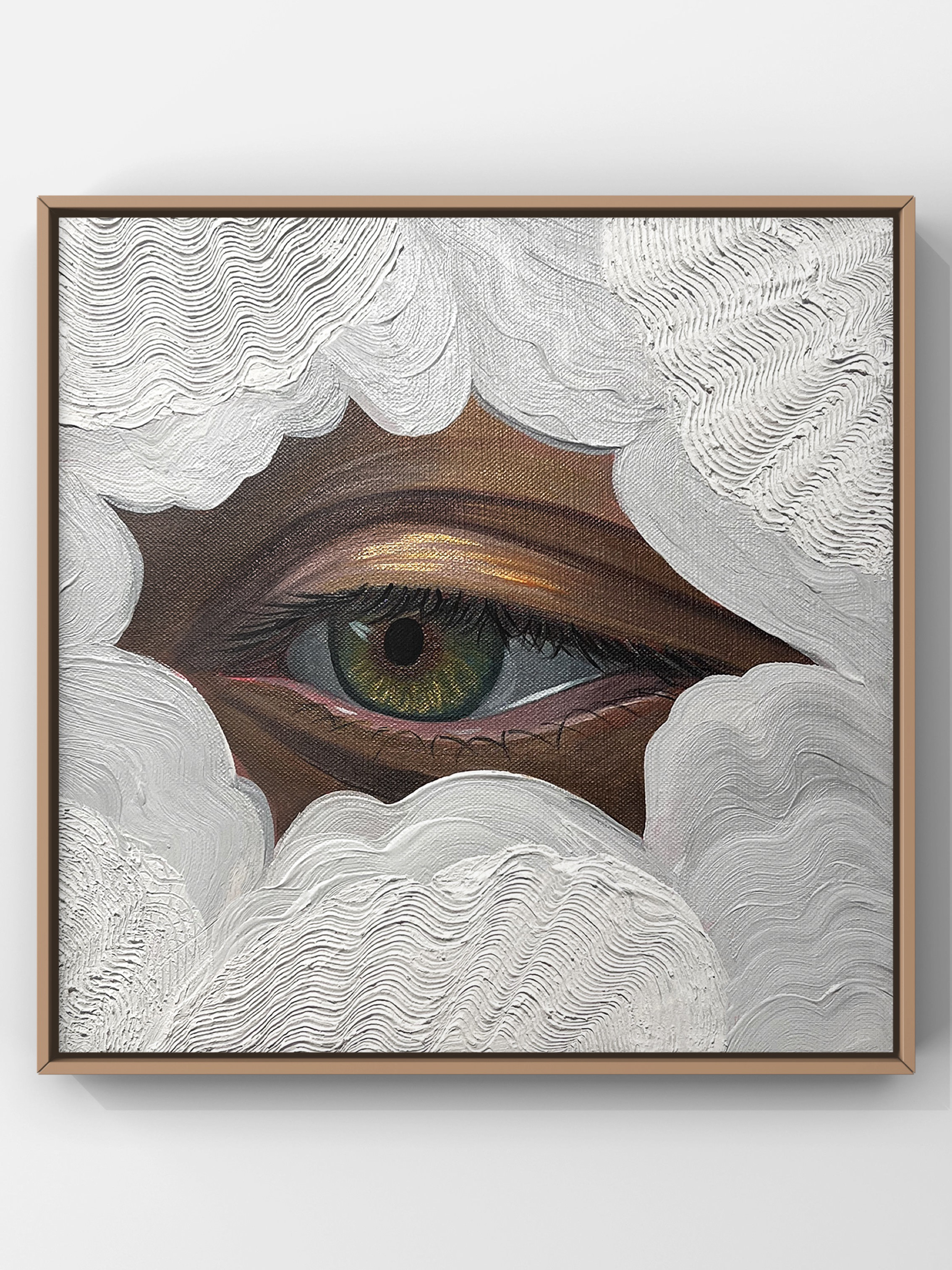
From the Amazigh language, indigenous to North Africa, Azal evokes eternity, continuity, and that which endures beyond time.
The work explores the idea of transmission, what we receive, what we transform, and what we eventually pass on. It speaks of an endless movement between generations, a continuous circle in which what we give carries on, travels through time, and sometimes finds its way back to us.
Through its female figure and recurring symbols of nature, water, birds and light, Azal reflects on memory, ancestral roots and the invisible connections that bind us to those who came before us and those who will come after.
It is ultimately a work about what remains: the love, strength, knowledge and light we inherit, transform, and allow to live beyond ourselves.